Apps
Peer payment app scams: acting fast when you were the one who hit send
Scammers like payment apps because the money moves quickly and is hard to pull back. Here is how the rules treat a payment you were tricked into, and what to do in the first hour.
By HonestRudder Editorial Team Updated 6 min read
- First call
- Your bank and the app
- Report to
- ReportFraud.ftc.gov
- Tricked into sending
- Reg E may not apply
- Account taken over
- Reg E rules apply
In short
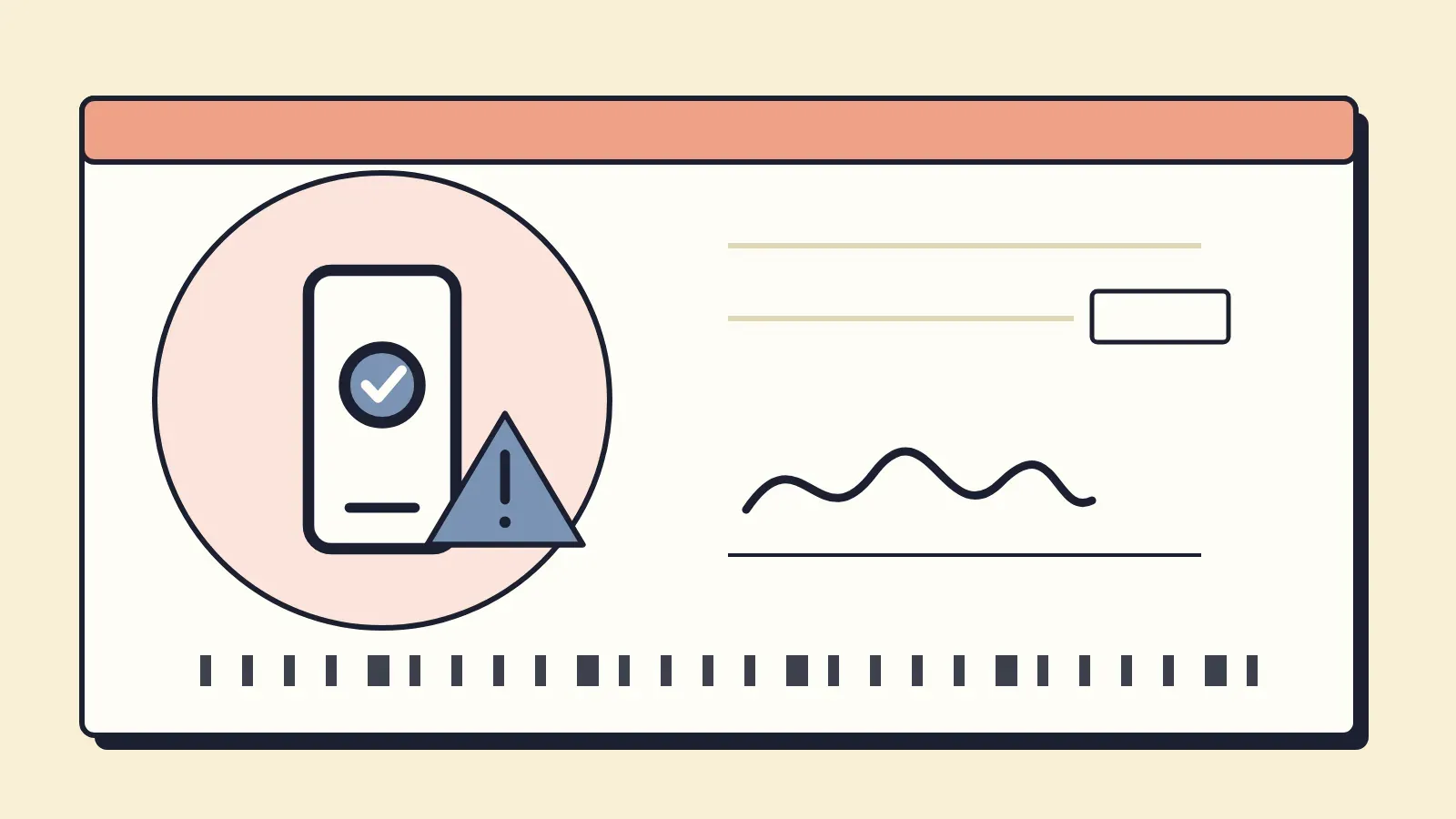
Scammers ask for payments through apps like Zelle, Venmo and Cash App because, in the FTC's words, once you send the money it is hard to get back. If someone else took over your account or card, the transfer may be an unauthorized one with legal protection under Regulation E. If you were talked into sending the money yourself, those protections may not reach it. In both cases, contact your bank and the app right away, say you were scammed, and report it to the FTC.
How these scams work
The Federal Trade Commission (FTC) says scammers steer people toward payment apps because they know that once you send the money, it is hard to get it back. Typical setups include a message from someone pretending to be a relative in trouble and a notice that you won a prize that needs a fee before you can collect. The Consumer Financial Protection Bureau (CFPB) lists money transfer and mobile payment fraud among attempts to get at your bank or payment accounts, and says scammers favor wire transfers, peer-to-peer apps, gift cards and crypto because those are hard to trace or recover.
Another version does not need a payment from you on purpose: if someone gets your login details, they may be able to send money out of your account. The FTC's advice covers both: do not share account login details with anyone who contacts you, turn on multi-factor authentication or a PIN, and check a recipient's details before you pay.
Two situations, two sets of rules
Regulation E protects consumers from unauthorized electronic fund transfers. The rule defines that as a transfer started by a person other than you, without actual authority, from which you get no benefit. The CFPB's official interpretation adds that a transfer is unauthorized when the person who started it got your access device from you through fraud or robbery. A payment you start yourself, even after being deceived, does not fit that definition as neatly. Whether a given scam counts as unauthorized is the bank's call first, and your complaint to the CFPB is the check on it.
| What happened | How it is usually treated | What to ask for |
|---|---|---|
| Someone logged in or used your card without your involvement | Likely an unauthorized transfer under Regulation E | A Regulation E error investigation; see the deadlines in the linked article |
| Someone got your card, PIN or login from you by deception | The interpretation covers an access device obtained through fraud; the bank decides how it applies | A written request that the transfer be treated as unauthorized |
| You sent the payment yourself after being deceived | May be handled as authorized; protections for unauthorized transfers may not apply | A reversal request to the app and your bank, and a report to the FTC |
The unauthorized-transfer deadlines and the bank's investigation schedule are in unauthorized debit and ACH transactions. Do not wait to sort out which row you are in. The CFPB's advice for a suspected scam is to contact your bank or the payment company right away and say the transaction may be unauthorized.
The funding source also matters. If you paid with a credit card, the dispute rights in credit card billing errors and disputes may apply. The FTC advises using a credit card when you can because it offers more protections and lets you dispute charges.
What happened to the federal Zelle lawsuit
The CFPB filed a lawsuit on December 20, 2024, in the U.S. District Court for the District of Arizona against Early Warning Services, the operator of Zelle, and three large banks: Bank of America, JPMorgan Chase and Wells Fargo. On March 4, 2025, the bureau filed a notice dismissing the action against all defendants with prejudice, and the court dismissed the case on March 5, 2025. The CFPB's own enforcement page lists the action as dismissed. That case is over, so it is not a source of any rule for your claim. Your bank's agreement and its answer to your report still matter most.
What to do if you sent money
- Contact the app and your bank right away. The FTC says to report it to the payment app immediately and ask for the payment to be reversed. For Zelle or a bank transfer, tell your bank or credit union and ask it to reverse the payment.
- Use the in-app chat or the phone number on the card. Say plainly that you were scammed and give the date, amount and the recipient's name or handle.
- Follow up in writing and keep records. Save screenshots of the request, the conversation and the transaction, and note the time you reported it.
- Secure your accounts. If you gave out a password or code, change it and turn on multi-factor authentication.
- Report it. File at ReportFraud.ftc.gov. The CFPB also points to your local police or sheriff, your state attorney general and, for online scams including those involving payment apps, the FBI's Internet Crime Complaint Center at ic3.gov.
No page from the FTC or CFPB promises recovery, and this one does not either. Speed gives you the best chance that a bank or app can still stop a payment before it is gone.
Spotting it before you pay
- Use payment apps only with people you know and trust. The CFPB's advice is never to send money to someone you do not know.
- Confirm unexpected requests. If a friend or relative asks for money, check with them using a number you already have, since their account may have been hacked.
- Never pay to claim a prize. The FTC says you should not pay anything to claim a prize or sweepstakes winnings.
- Check the recipient before you confirm. A mismatched name or handle is a reason to stop.
How these apps work in everyday use is in peer-to-peer payment apps. If a bank or app denies your claim and you disagree, you can complain to the CFPB at consumerfinance.gov/complaint or at (855) 411-2372; the steps are in how to file a complaint with the CFPB and your state. HonestRudder cannot recover money for you. For a large loss, a lawyer or legal aid office can advise on your situation.
Common questions
Can I get my money back after sending it to a scammer on a payment app?
Sometimes, but it is not promised. The FTC says these payments are hard to get back. Contact the app and your bank immediately, ask for a reversal and report the scam at ReportFraud.ftc.gov.
Is a payment I was tricked into making unauthorized under Regulation E?
The rule defines an unauthorized transfer as one started by someone other than you without actual authority. A payment you start yourself does not fit that definition as neatly, and banks decide first how it applies. Ask in writing, and complain to the CFPB if you disagree.
Should I report the scam even if the money is gone?
Yes. The FTC says reports help it and other law enforcement agencies stop scams. The CFPB also suggests local police, your state attorney general and the FBI's Internet Crime Complaint Center for online scams.
What happened to the CFPB's lawsuit over Zelle?
The CFPB sued Early Warning Services and three banks on December 20, 2024, and dismissed the action with prejudice in March 2025. The court dismissed the case on March 5, 2025.
Sources
- FTC, Mobile Payment Apps: How To Avoid a Scam When You Use One
- FTC, What To Do if You Were Scammed
- FTC, A way to spot scams: how someone asks you to pay (July 22, 2026)
- CFPB, What are some common types of fraud and scams?
- CFPB, Regulation E, 12 CFR 1005.2 and official interpretation of 2(m)
- CFPB, Early Warning Services, LLC, Bank of America, N.A., JPMorgan Chase Bank, N.A., Wells Fargo Bank, N.A. (enforcement action)
Facts on this page were checked against these sources on November 21, 2026. How a bank or app treats a payment you were tricked into making varies, and the sources do not say; check your own account agreement.
Related reading
-
Payments guide
Peer-to-peer payment apps
When Regulation E covers an app payment, why one you send yourself differs, and how to guard a balance.
-
Rights guide
Fake check and overpayment scams
Why a deposit can show as available and still be fake, and why the bank comes to you for repayment.
-
Rights guide
Unauthorized debit and ACH transactions
The $50, $500 and 60-day tiers of Regulation E, and the schedule the bank has to follow once you report.